Startup Tax Compliance Made Simple
Starting a new business is exciting, but it comes with many responsibilities. One of the most important is tax compliance. Getting your taxes right from the start saves you time, money, and stress later. I want to share practical advice to help you understand and manage your startup tax obligations clearly and confidently.
Understanding Startup Tax Compliance
Tax compliance means following the rules set by tax authorities. For startups, this involves registering your business, keeping accurate records, and submitting tax returns on time. The rules can seem complex, but breaking them down makes them manageable.
Startups often face different tax requirements depending on their structure. For example, sole traders report income on personal tax returns, while limited companies file separate corporate tax returns. Knowing your business type helps you understand which taxes apply.
Here are some common taxes startups need to consider:
Income Tax: Paid on profits if you are a sole trader or partnership.
Corporation Tax: Paid by limited companies on their profits.
Value Added Tax (VAT): Charged on goods and services if your turnover exceeds the VAT threshold.
National Insurance Contributions (NICs): Paid by employers and employees.
Business Rates: Paid on commercial properties.
Registering for the right taxes early avoids penalties. For example, if your turnover exceeds the VAT threshold, you must register for VAT within 30 days.

Key Steps for Startup Tax Compliance
To keep your startup tax compliant, follow these essential steps:
Register Your Business
Register with HM Revenue & Customs (HMRC) as soon as you start trading. This includes registering for self-assessment if you are a sole trader or partnership, or registering your company with Companies House and HMRC if you form a limited company.
Keep Accurate Records
Maintain detailed records of all income, expenses, invoices, and receipts. Use accounting software or spreadsheets to track your finances. Good records make tax returns easier and reduce the risk of errors.
Understand Your Tax Deadlines
Know when to file returns and pay taxes. For example, self-assessment tax returns are due by 31 January following the end of the tax year. Corporation tax must be paid within nine months and one day after the company’s accounting period ends.
Claim Allowable Expenses
Deduct legitimate business expenses to reduce your taxable profit. These can include office costs, travel expenses, and equipment purchases. Keep receipts and document the purpose of each expense.
Plan for Tax Payments
Set aside money regularly to cover your tax bills. Avoid surprises by estimating your tax liability and saving accordingly.
Seek Professional Advice When Needed
Tax rules change frequently. Consulting a tax advisor or accountant can help you stay compliant and optimise your tax position.
Managing VAT and Other Taxes
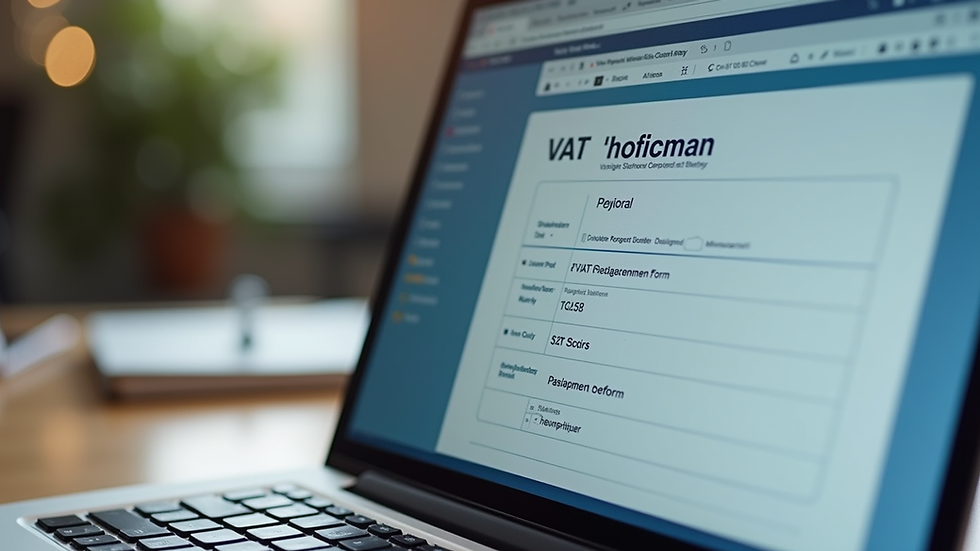
VAT can be confusing for startups. You must register if your taxable turnover exceeds £85,000 in a 12-month period. Once registered, you charge VAT on your sales and reclaim VAT on your purchases.
There are different VAT schemes to consider:
Standard VAT Accounting: Submit quarterly VAT returns.
Flat Rate Scheme: Pay a fixed percentage of your turnover as VAT, simplifying calculations.
Annual Accounting Scheme: Submit one VAT return per year with advance payments.
Choosing the right scheme depends on your business size and cash flow. For example, the Flat Rate Scheme suits small businesses with low expenses.
Other taxes like National Insurance and business rates also require attention. If you employ staff, you must operate PAYE (Pay As You Earn) to deduct income tax and NICs from wages.
How to Avoid Common Tax Compliance Mistakes
Many startups make avoidable errors that lead to penalties or lost money. Here are some common pitfalls and how to avoid them:
Missing Deadlines: Set reminders for tax return and payment dates. Late submissions can incur fines.
Poor Record Keeping: Use digital tools to organise receipts and invoices. Avoid mixing personal and business expenses.
Incorrect Tax Codes: Check your tax codes on payslips and correspondence from HMRC.
Not Registering for VAT on Time: Monitor your turnover closely to register promptly.
Ignoring Allowable Expenses: Understand what expenses you can claim to reduce your tax bill.
Failing to Plan for Tax Payments: Budget for tax liabilities throughout the year.
By staying organised and informed, you reduce the risk of costly mistakes.
Using Technology to Simplify Tax Compliance
Technology can make tax compliance easier. Accounting software helps automate record keeping, invoicing, and tax calculations. Many packages integrate with HMRC’s systems for direct submission of returns.
Popular features to look for include:
Automated VAT calculations and returns
Expense tracking with receipt capture
Payroll management for employees
Real-time financial reports
Using software reduces manual errors and saves time. It also provides a clear picture of your financial health, helping you make better business decisions.
Staying Updated with Tax Changes
Tax laws and thresholds change regularly. Staying informed helps you adapt quickly and avoid surprises. Subscribe to HMRC updates or follow trusted tax advisory sources.
For example, changes to corporation tax rates or VAT thresholds can impact your tax planning. Being proactive allows you to adjust your strategy and maintain compliance.
Final Thoughts on Startup Tax Compliance
Tax compliance is a vital part of running a successful startup. It protects your business from penalties and builds a solid foundation for growth. By registering correctly, keeping accurate records, understanding your tax obligations, and using technology, you can simplify the process.
If you want to focus on growing your business, consider working with a trusted partner who understands the complexities of tax and accounting. This support lets you concentrate on what matters most - your core business and financial success.
For more detailed guidance, visit Casson Consulting to explore how expert advice can help you navigate startup tax compliance with confidence.


Comments